9+ curated guides • Updated June 2025
When the news breaks of a beloved celebrity's passing, the first wave is always grief. But what happens in the minutes and hours that follow is a fascinating cultural phenomenon: their streaming numbers surge, forgotten interviews become viral clips, and their entire body of work is instantly re-contextualized. We're not just looking at who we lost yesterday; we're witnessing the real-time birth of a legacy.
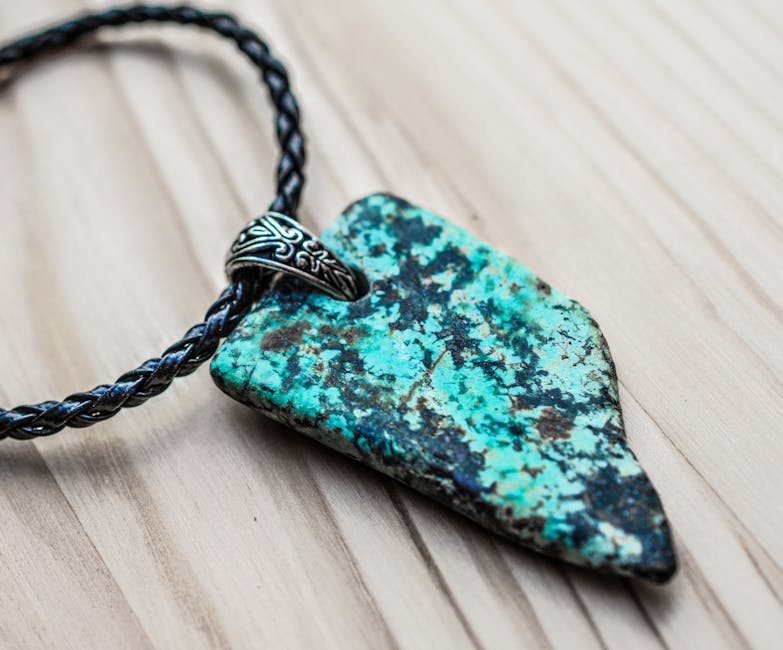
We choose jewelry to express who we are, but what if the piece itself already has a soul? A factory-made necklace is a silent object, but a handmade creation carries the echo of its maker's hands, heart, and intention. We're not just talking about aesthetics; we're talking about the invisible story that makes handmade jewelry more than an accessory—it's a connection. This is the transfer of spirit from creator to creation, a phenomenon that imbues a simple object with a history before it even meets its owner. It becomes a talisman, a piece of a person, a story forged in fire and silver.
That oversized silver buckle or vintage bolo tie isn't just an accessory; it's a statement. Before you strap on a piece of western wear, understand that you're speaking a language rich with history and symbolism. This guide decodes that language, helping you choose the pieces that tell your story, not just follow a trend. We're moving beyond the simple 'how-to' and entering the realm of 'why.' This is not about costuming; it's about character. In a world of fleeting digital trends, the tangible, story-rich world of Americana offers an anchor. Let's explore how to use its vocabulary to articulate your own modern narrative.
Remember that 'It' bag you coveted back in 2022? While others are debating if it's still in style, we're asking a more profitable question: was it a smart investment? We've crunched the numbers from the top resale markets to reveal which viral bags have appreciated in value and which were just fleeting, costly fads. This report moves beyond the runway and into the realm of asset management, treating your closet not as a collection of accessories, but as a portfolio of tangible investments. We dissect the market performance of the Y2K revival, the oversized tote phenomenon, and the micro-brand darlings to provide a clear, data-backed verdict on their financial legacy.
Your search for 'Pandora near me' is the first step, but it's what you do inside the store that truly matters. Before you go, discover the unwritten rules and insider hacks that separate a regular customer from one who gets the full VIP experience. As a former Pandora stylist, I’m sharing the secrets that turn a simple purchase into a priceless memory.
You've been told to invest in timeless, high-quality accessories, but when it comes to trying men's jewelry for the first time, that's terrible advice. The men's necklace section at H&M isn't where you find a forever piece; it's where you find out if you're a 'necklace guy' for under $20, completely risk-free. Forget the pressure of finding the perfect sterling silver chain that will last a lifetime. Your first mission isn't acquisition; it's reconnaissance. You are gathering intelligence on your own habits, comfort levels, and aesthetic inclinations. This isn't shopping—it's a calculated experiment. The H&M necklace is your lab equipment, a disposable tool designed to yield a single, crucial piece of data: Does this work for you? Or not?
For over a decade, 'Celebrity Apprentice' promised a career renaissance, a chance for stars to prove their business acumen in the world's most dramatic boardroom. But what happened after the cameras stopped rolling and the 'You're Fired' echo faded? We analyzed the data to uncover the show's real legacy: was it a golden ticket back to the A-list, or a one-way trip to professional ruin? The premise was seductive: leverage your waning fame, raise money for charity, and remind America why you were a star in the first place. Yet, a critical look at the post-show careers of its contestants reveals a pattern not of revival, but of reputational contamination. The show functioned less as a career launchpad and more as a high-stakes gamble, where the price of admission was often a piece of one's professional soul.
The news of a celebrity's death sends shockwaves across the internet, but what happens after the trending hashtags fade? Their social media profiles become digital tombstones, their final posts gathering comments for years to come. We're entering a new era where a person's legacy is curated by estate managers and AI, forcing us to ask: who truly owns a celebrity's identity after they're gone? This isn't about how they died; it's about how they live on, indefinitely, in the digital ether. We are the first generation to witness the birth of the digital ghost, an entity that exists in a liminal space between memory and marketability, tribute and technology. This article peels back the curtain on the silent, booming industry of posthumous identity management.
Look past the runway and closer at the clean lines and rigid form of today's most coveted accessory. The box bag trend isn't just a style moment; it's a masterclass in miniature architecture. These aren't just bags—they are meticulously constructed objects, challenging us to see our personal style through the eyes of a designer. They are handheld edifices, pocket-sized pavilions demanding we consider the principles of structure, materiality, and the deliberate use of negative space in our daily wardrobe. Before you dismiss it as another fleeting trend, I invite you to see it for what it truly is: a foundational shift in how we perceive the objects we carry.